Bank of England warns AI financing threatens financial stability, puts hyperscalers' exposure at over $4T
The Bank of England warned on Thursday that the fast growth of AI financing makes it more likely that stress in one market spreads to others.
In its Financial Stability Report, the Bank's Financial Policy Committee described that financing as "increasingly complex, circular and opaque." Together with higher interest rates, it said, this raises the risk that several weak spots give way at once.
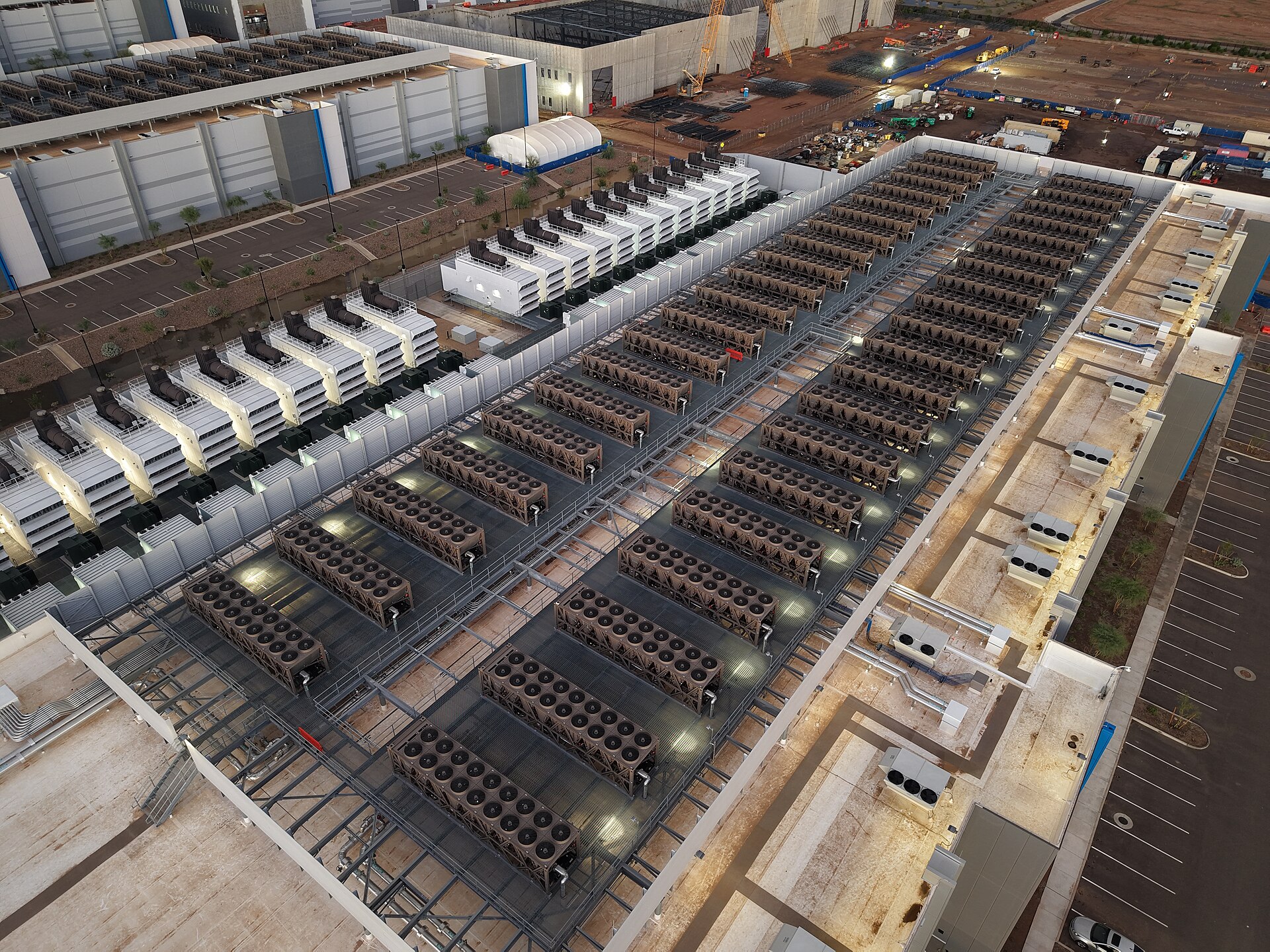
Bank staff put the total potential exposure of hyperscalers, the biggest cloud and AI infrastructure companies, at just over $4T. That figure adds their debt to the commitments they keep off their balance sheets, such as leases, purchase deals, guarantees and backstops.
The Bank counts Alphabet (GOOGL), Amazon (AMZN), Microsoft (MSFT), Meta Platforms (META), Oracle (ORCL) and SpaceX (SPCX) as hyperscalers. Their bond sales are on track to top $305B this year, about 8% of all investment-grade bonds sold worldwide.
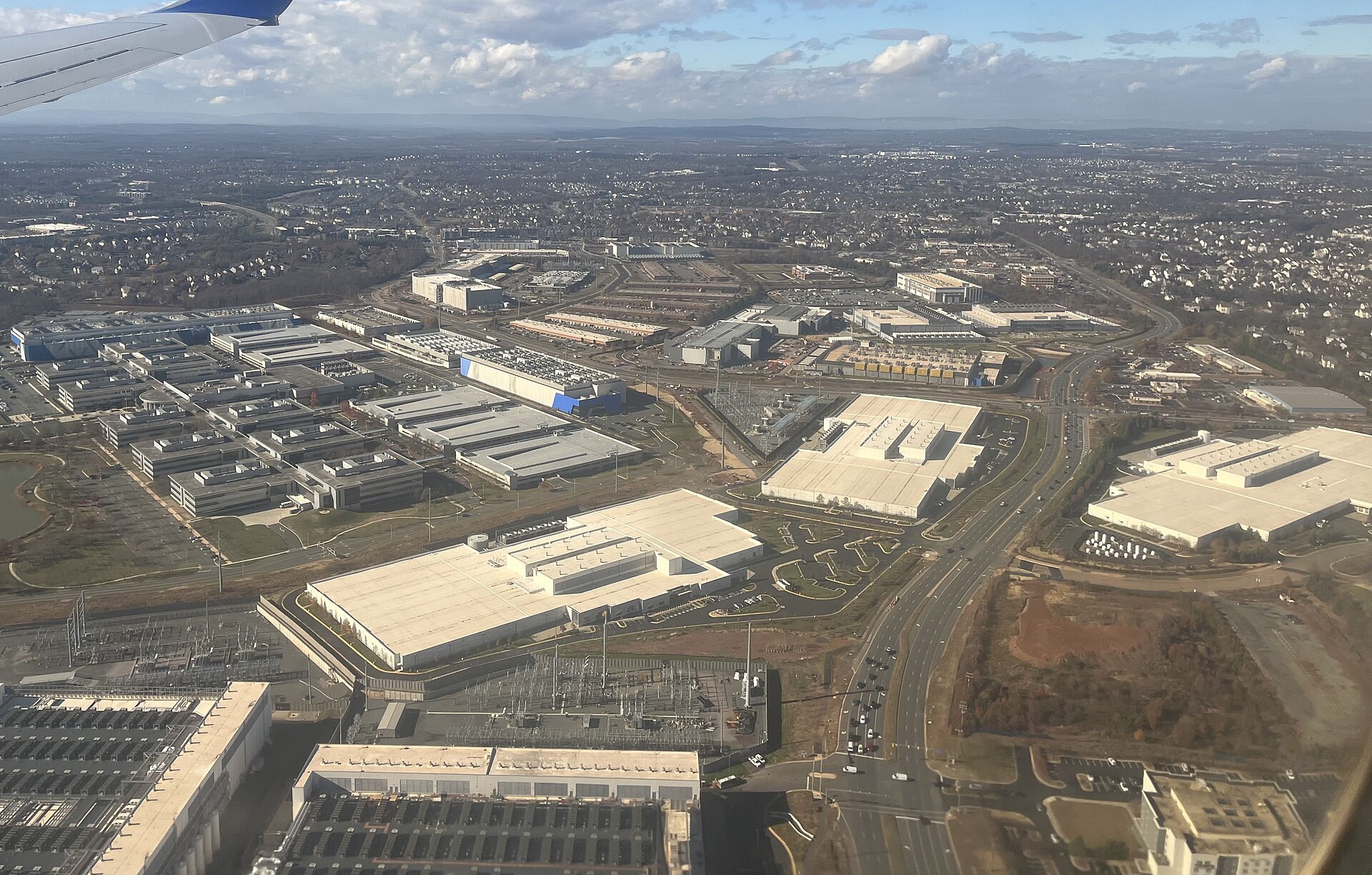
Borrowing by hyperscalers, data center operators, and other AI infrastructure companies is almost double its 2025 level. Counting chipmakers too, this group will sell more bonds this year than many governments.
Numerous smaller AI companies depend on money or contracts from a few hyperscalers and chip designers. In some cases the big firms are investors, customers, and suppliers at the same time, which is sometimes called circular financing.
Hyperscalers also raise money through joint ventures and special purpose vehicles, separate companies set up to borrow for a project. The Bank says these make it harder to see who holds the risk. The commitments could come under strain if expectations for AI revenue fall.
Private credit, lending by funds rather than banks, is taking a growing share. The Bank cites a Morgan Stanley estimate that private credit will pay for $700B of data center spending from 2026 to 2028. The whole private credit market is about $2.5T.
There are early signs of strain. Credit spreads, the extra yield lenders demand, have widened sharply for some lower-quality AI borrowers since July. This week, the cost of insuring Oracle's and CoreWeave's debt against default hit records.
The stock market leans on AI too. AI-related companies still make up slightly over half of the S&P 500's market value, so a disappointment at a few of them would hit the broad index.
The warning follows the Federal Reserve's own stability report, in which AI was the risk its market contacts named most.
Sources & Further Reading
- "Financial Stability Report - November 2026." Bank of England. November 26, 2026.
- "Financial Stability in Focus: Outcomes of the FPC's review of the bank capital framework." Bank of England. November 26, 2026.
This article was drafted with the help of AI. Reid Robertson fact-checked, edited and published the article and is responsible for its accuracy and quality. How we use AI