China vows retaliation over the U.S. AI chip rule that takes effect Thursday

China says it will retaliate if Washington enforces a new rule that cuts Chinese companies off from U.S. AI chips in data centers abroad.
In a statement on Tuesday, China's commerce ministry said it firmly opposes the rule. It urged the U.S. to get back on the "correct track" of settling differences through talks.
Foreign ministry spokesperson Guo Jiakun called the rule "a typical example of economic coercion and long-arm jurisdiction."
The rule takes effect when it appears in the Federal Register on Thursday, November 19. That is the day President Donald Trump is due to meet Chinese President Xi Jinping in Shenzhen, which hosts this week's APEC summit.
The Commerce Department issued the rule on Monday. Any data center, wherever it is, will need a license to rent large amounts of computing power on advanced U.S. chips to companies based in China.
Shipments of those chips to Indonesia, Malaysia, Singapore, Thailand and Brazil will need a license too, unless the buyer is a U.S. company.
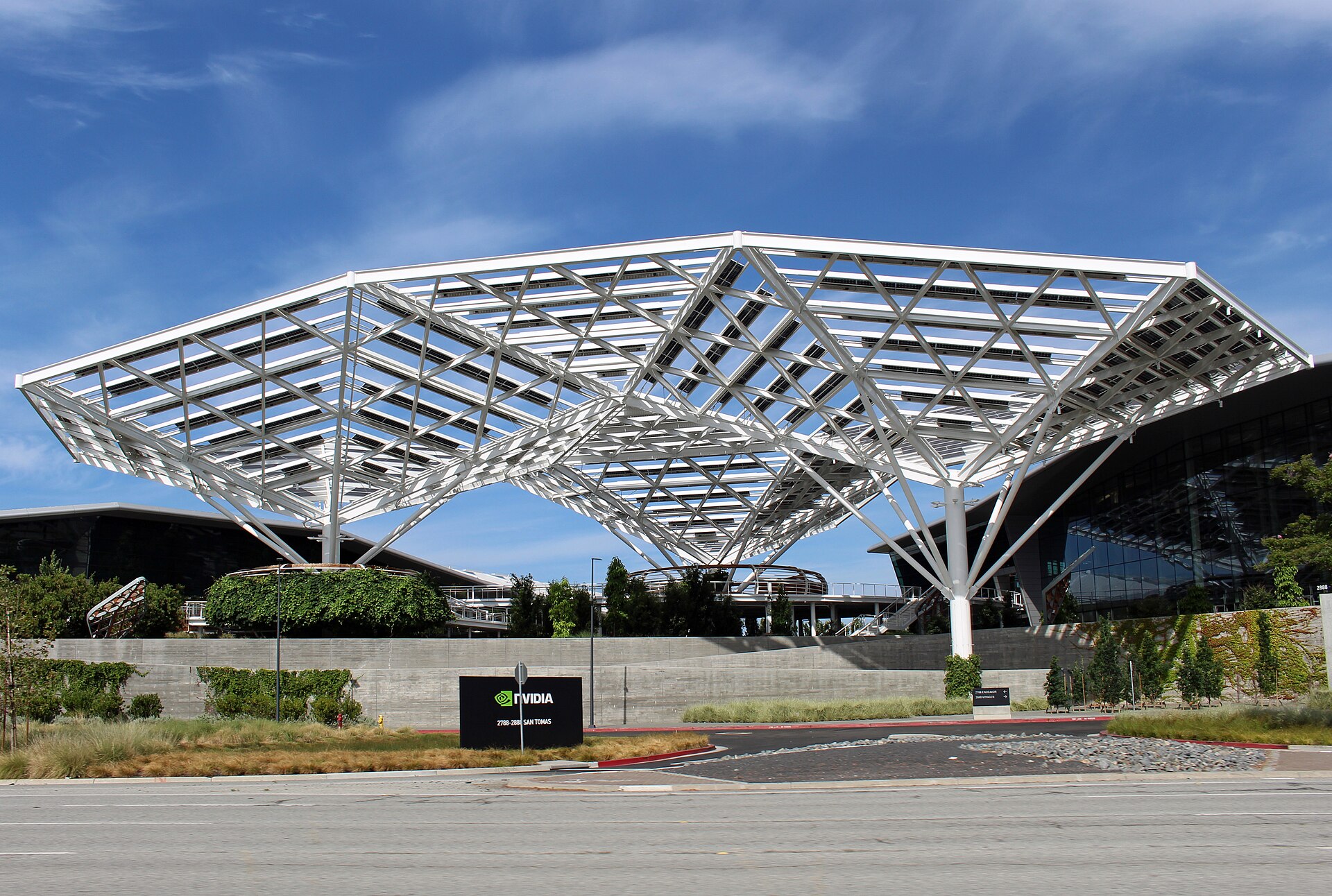
The rule comes days after Jensen Huang resigned as CEO of Nvidia (NVDA). He faced scrutiny over his ties to a former executive of Singapore-based Megaspeed, which U.S. authorities suspect of passing Nvidia chips on to China.
The Commerce Department says the Treasury and the National Security Council wrote the rule. Trump acknowledged the split between his officials on Monday. He said: "One wants to be friendly with China and one wants to have a blowup with China."
Singapore's trade and digital ministries said on Tuesday they are studying the rule and talking to U.S. officials about "trusted access for Singapore companies." They added that Singapore does not condone companies using its name to get around other countries' export controls.
Chipmakers are in the rule's path as well. It narrows the ways foundries can make advanced chips for designers in countries that need a license.
CLSA analyst Sanjeev Rana told Reuters that Samsung Electronics (KRX:005930) "might potentially face additional customer due diligence and licensing requirement" at its foundry.
Alibaba (BABA) fell 4.4% in U.S. trading on Tuesday.
On Nvidia's earnings call on Tuesday, interim CEO Colette Kress gave the company's first comment on the rule.
She said: "New export controls were released by the U.S. Commerce Department this week. However, with demand far exceeding supply, we expect our performance to remain strong."
Nvidia is still studying the rules, she added.
Data centers that already serve Chinese companies have 90 days from Thursday to get a license or face export restrictions. Comments on the rule are open for 60 days.
Sources & Further Reading
- "China says it will take countermeasures if US imposes new chip curbs." Reuters. November 17, 2026.
- "Trump administration moves to block China from indirect access to American AI technology." Associated Press. November 16, 2026.
- "Addressing Remote Access to Advanced Semiconductors." Bureau of Industry and Security, Federal Register. November 16, 2026.
- "US to curb China's access to AI chips as Trump heads to Asia." Reuters. November 16, 2026.
- "MDDI-METI Joint Media Statement on US Interim Final Rule on Addressing Remote Access to Advanced Semiconductors." Singapore Ministry of Energy, Trade and Industry. November 17, 2026.
- "Samsung Elec, TSMC shares fall after US announces curbs on China's chip access." Reuters. November 17, 2026.
- "NVIDIA (NVDA) Q3 2027 Earnings Call Transcript." Stock Analysis. November 17, 2026.
This article was drafted with the help of AI. Kris Gunnars fact-checked, edited and published the article and is responsible for its accuracy and quality. How we use AI