Iran reportedly used SpaceX's Starlink to direct drone attacks on US forces
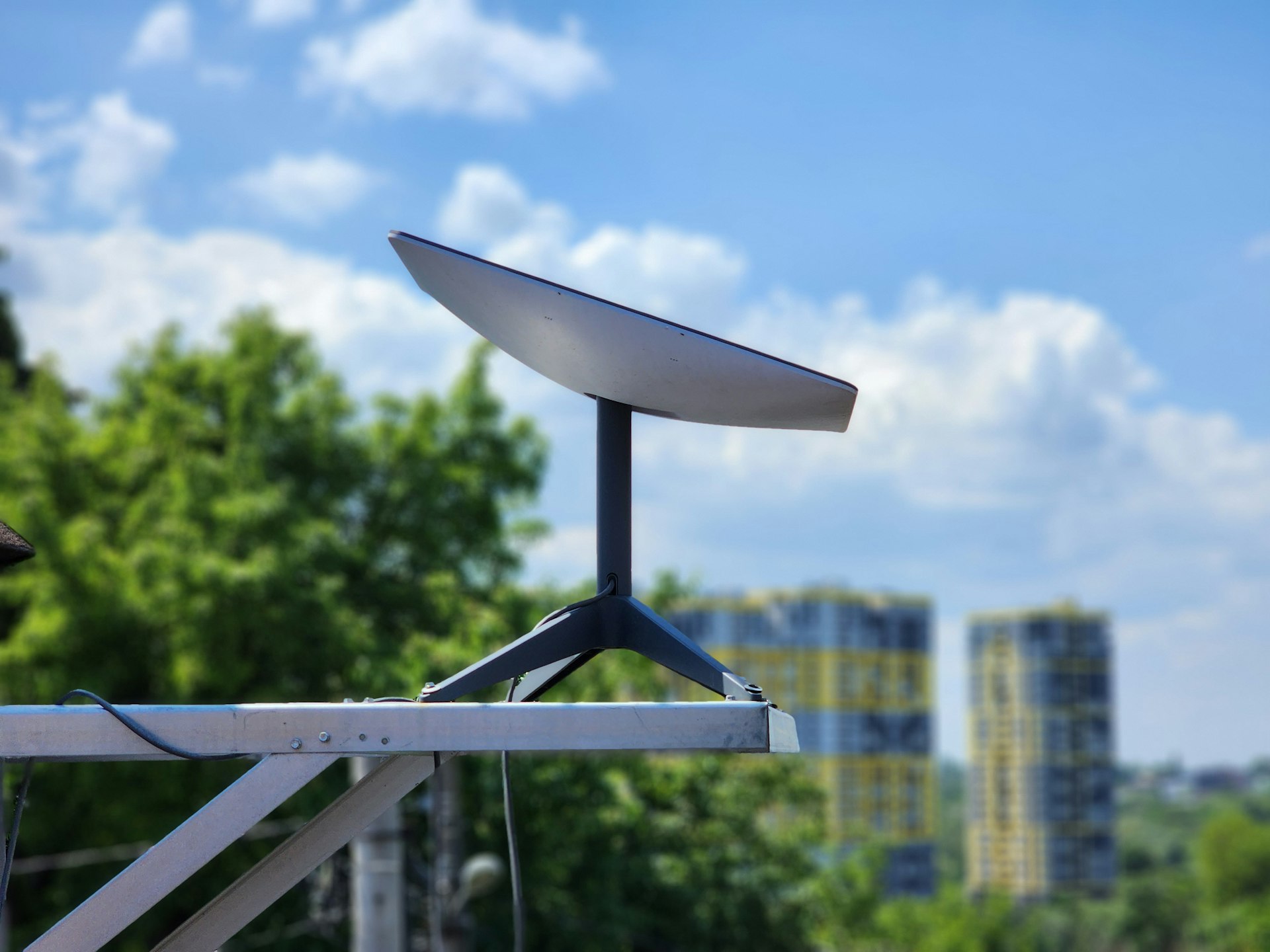
Iran tapped Starlink, the satellite internet service of SpaceX (SPCX), to help attack US forces early in the war, The Washington Post reports.
A classified Central Command update given to the defense secretary over the summer said Iran used Starlink to command its forces and run one-way drone attacks.
The service gave Tehran another way to communicate while US strikes went after its regular networks.
The Pentagon questioned the account. Its spokeswoman, Kingsley Wilson, told the Post: "We are not aware of the existence of a Central Command report to [the defense secretary's office] pertaining to this subject."
In the first week of March, days after the US and Israel began bombing Iran, SpaceX CEO Elon Musk learned of two unauthorized uses of Starlink. His team concluded that Iran was using it in its attacks on US troops.
The other was the US military's own. It was flying one-way drones on Starshield, the military version of Starlink, under a cheaper plan meant for ground use.
Musk was furious about both. At least two executives were fired over the misuse before the week was out, according to the Post.
An Iranian drone killed six US troops at a base in Port Shuaiba, Kuwait, on March 1. Within hours, SpaceX began demanding identity checks for terminals on aircraft flying faster than 100 mph.
The Pentagon has not published what its inquiry into the strike found, and the Post does not say whether Starlink played a part.
Weeks later, SpaceX tightened the network that sells Starlink terminals. It made resellers prove they know who buys and activates each one, and paused a program that let them pass terminals on to smaller sellers.
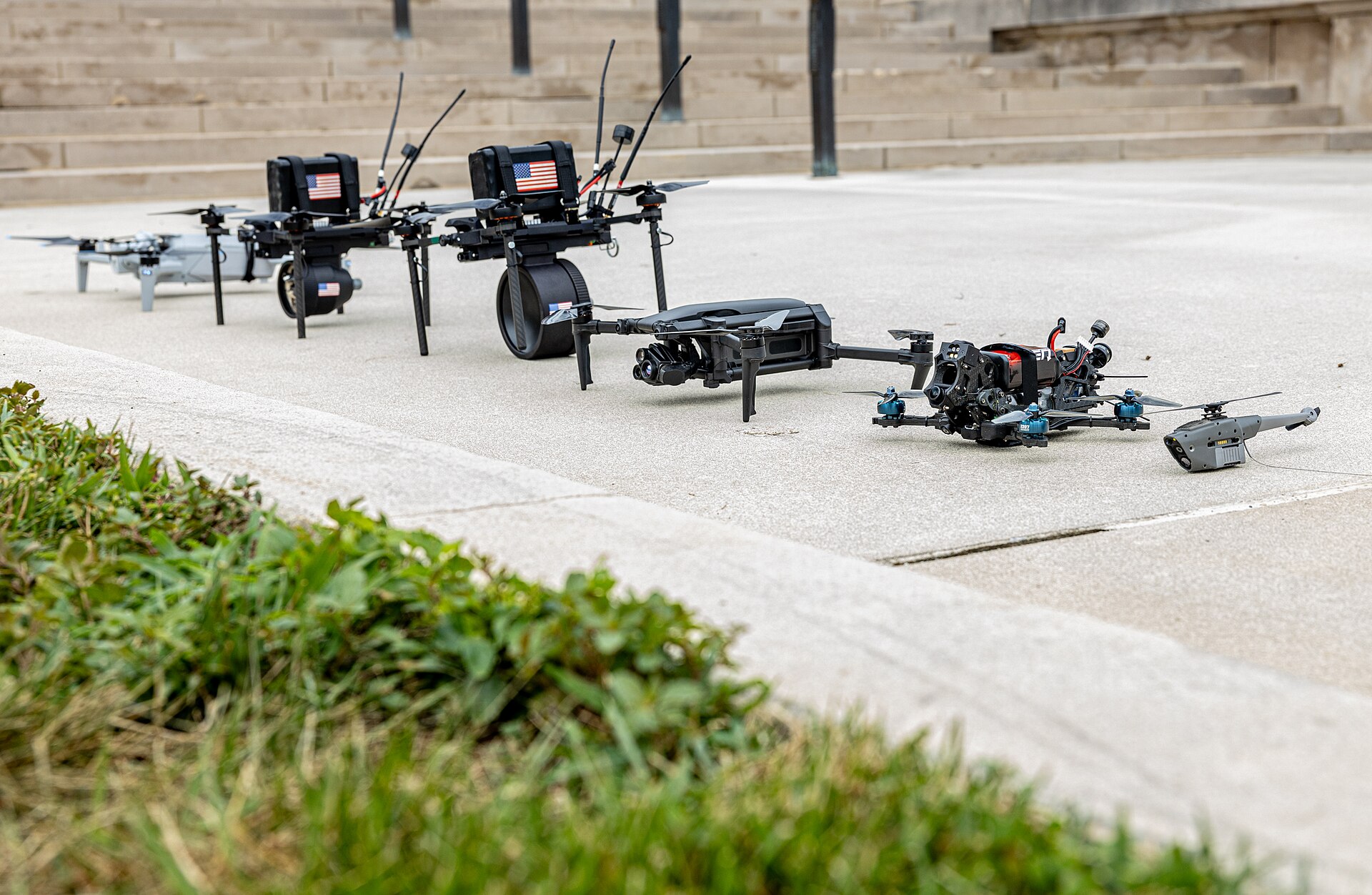
The drones the military flew on Starshield are called LUCAS. SpaceX told the Pentagon they were using a tier worth about $25,000 a month per terminal while the military paid about $5,000, according to Reuters. The Pentagon agreed to pay the higher price.
On March 1, Musk answered a post on X about Russia's claim that American forces were guiding LUCAS drones with Starlink.
He wrote: "It is a violation of commercial Starlink terms of service to use the terminal for weapon systems. This applies to all users and is shut down when discovered. There is a separate network called Starshield, which is operated by the US government. This is not under SpaceX control."
Government work is a growing part of the business. SpaceX's enterprise and government revenue grew 91% to $2.1B in the third quarter. CFO Bret Johnsen said on the earnings call the gain was "highlighted by growth in our Starshield program with the U.S. government."
Starlink has no license to operate in Iran, though Musk has said the service works there. Analysts say SpaceX could cut off any terminal it finds in the country, but dissidents and ordinary Iranians rely on the dishes to get around internet controls.
Once terminals reach the public, keeping them away from US adversaries is nearly impossible, according to the Post.
Unlike in Ukraine, where SpaceX cut off dishes missing from a list the military approved, Iran has no trusted authority to keep such a list.
The report came out on Saturday, so Monday is the first trading day on which SpaceX shares can react.
Sources & Further Reading
- "Iran used Elon Musk's Starlink to help wage attacks against U.S.." The Washington Post. November 28, 2026.
- "Pentagon spars with SpaceX over Starlink price hike during Iran war." Reuters. May 26, 2026.
- "It is a violation of commercial Starlink terms of service to use the terminal for weapon systems." Elon Musk on X. March 1, 2026.
- "SpaceX Q3 2026 Earnings Release." SpaceX. October 20, 2026.
- "Space Exploration Technologies (SPCX) Q3 2026 Earnings Call Transcript." Stock Analysis. October 20, 2026.
This article was drafted with the help of AI. Kris Gunnars fact-checked, edited and published the article and is responsible for its accuracy and quality. How we use AI