U.S. initial jobless claims grow by 1,000 to 203,000, above forecasts as continuing claims jump
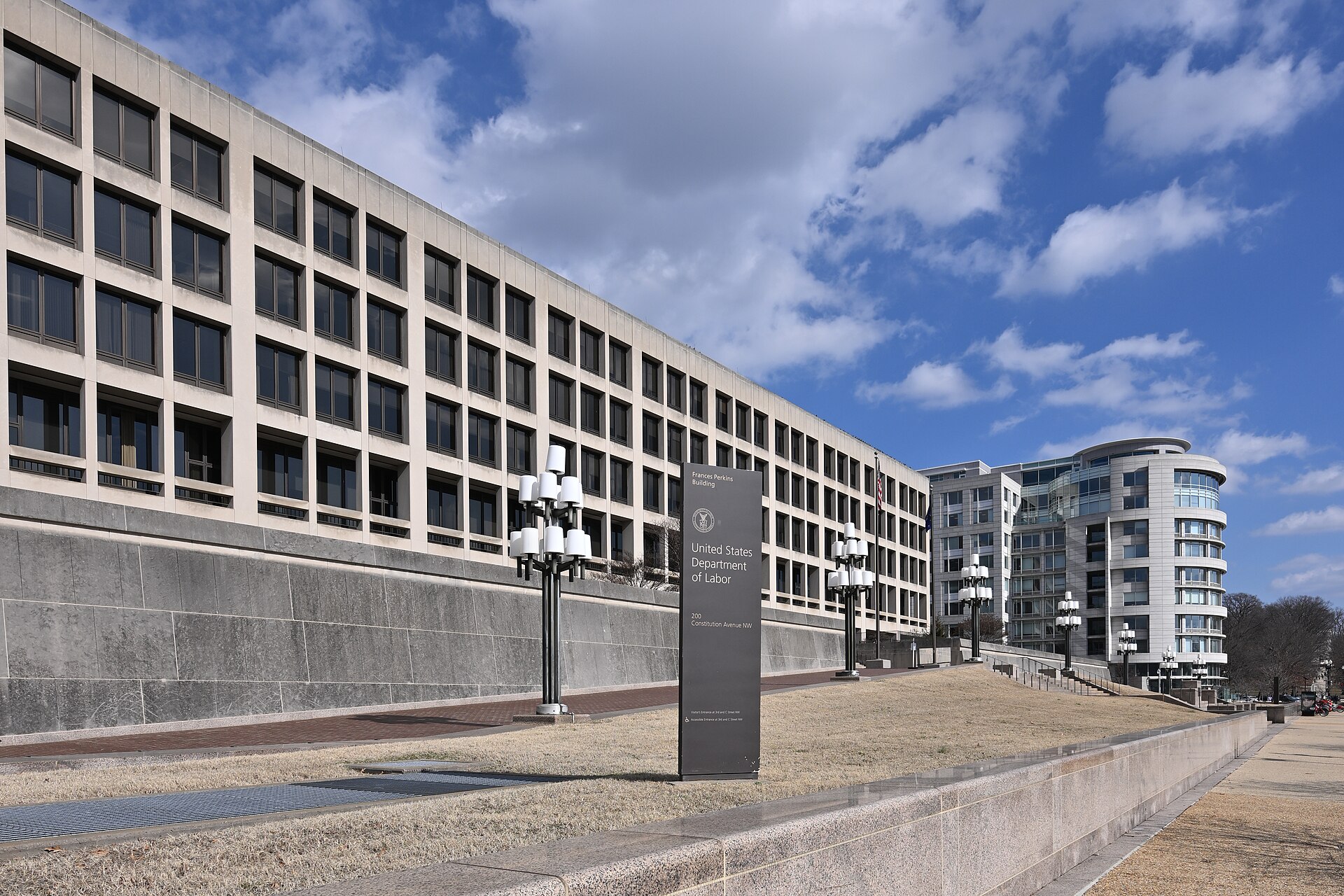
Initial jobless claims rose by 1,000 to 203,000 in the week ended November 14, more than economists expected.
Initial claims count people who file for unemployment benefits for the first time after losing a job. Economists watch them as a proxy for layoff trends.
Economists polled by Dow Jones had expected 197,000. The prior week was revised up from 200,000 to 202,000.
The level is still low by historical standards. Claims were 222,000 in the same week a year ago. The four-week average rose to 197,750.
Before seasonal adjustment, claims fell by about 12,000. The seasonal factors had expected a slightly bigger drop, so the adjusted figure edged up.
Continuing claims, the number of people still collecting benefits after their first week, was the bigger move. They rose by 70,000 to 1.76 million in the week ended November 7, the highest since the end of August.
Michigan drove most of that rise. Before seasonal adjustment, the number of people collecting benefits there more than doubled, adding about 39,000 of the 43,000 increase nationwide. New claims in Michigan also rose by about 6,000 last week, more than in any other state.
Hiring has picked up while layoffs stay low. Employers added 165,000 jobs in October, and the unemployment rate was 4.1%.
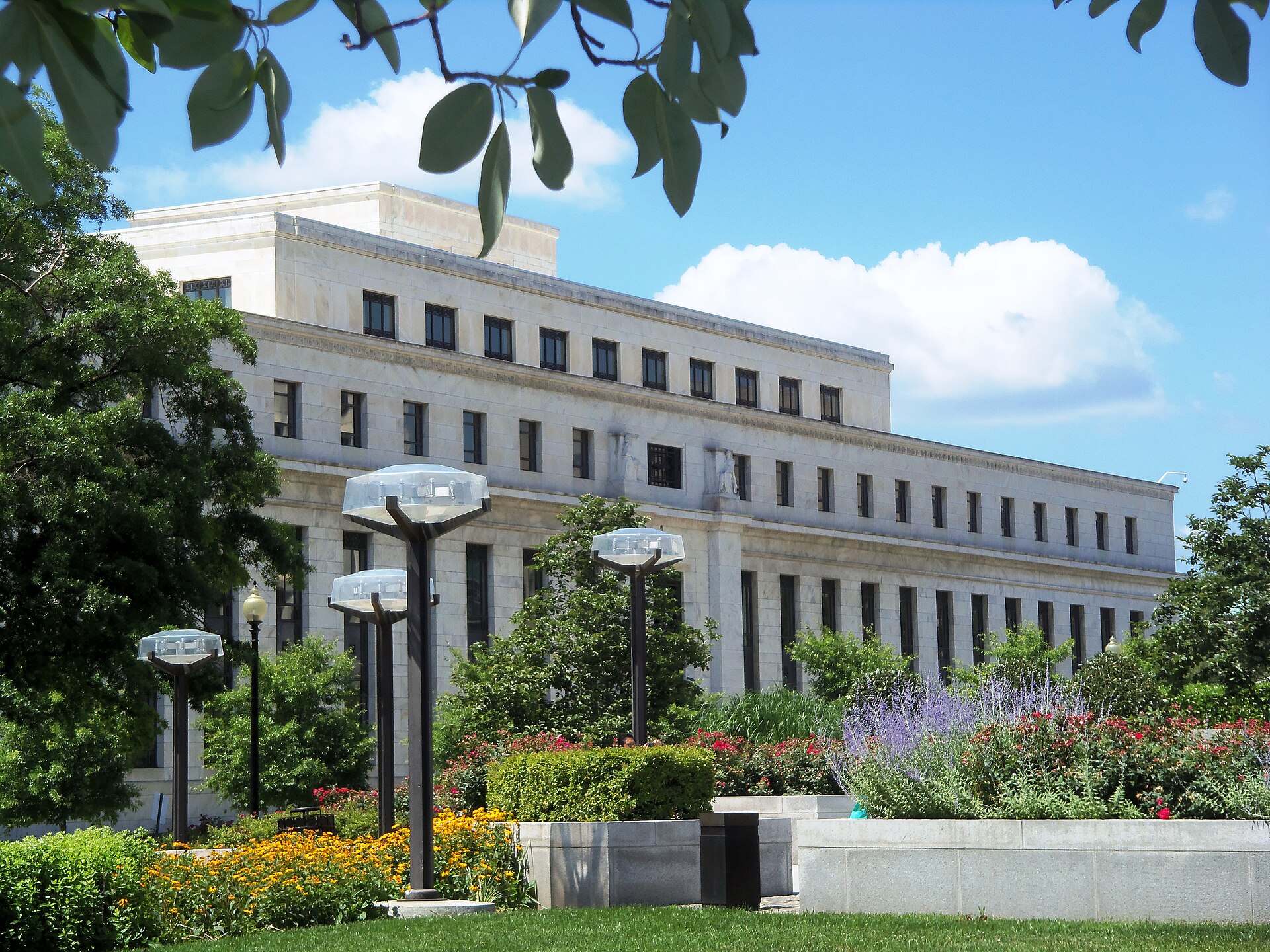
The job market matters for the Federal Reserve's next move. Almost all Fed officials expected more rate hikes at their October meeting, the minutes show. The November jobs report comes out on December 4, and the Fed's next rate decision is due on December 9.
Sources & Further Reading
- "Unemployment Insurance Weekly Claims." U.S. Department of Labor. November 19, 2026.
- "Number of people seeking unemployment aid ticks higher yet still low historically." Associated Press. November 19, 2026.
- "Treasury yields inch higher as investors weigh the state of the U.S. economy." CNBC. November 19, 2026.
- "The Employment Situation - October 2026." U.S. Bureau of Labor Statistics. November 6, 2026.
This article was drafted with the help of AI. Reid Robertson fact-checked, edited and published the article and is responsible for its accuracy and quality. How we use AI