National deficit balloons to $2T, up 12% YoY
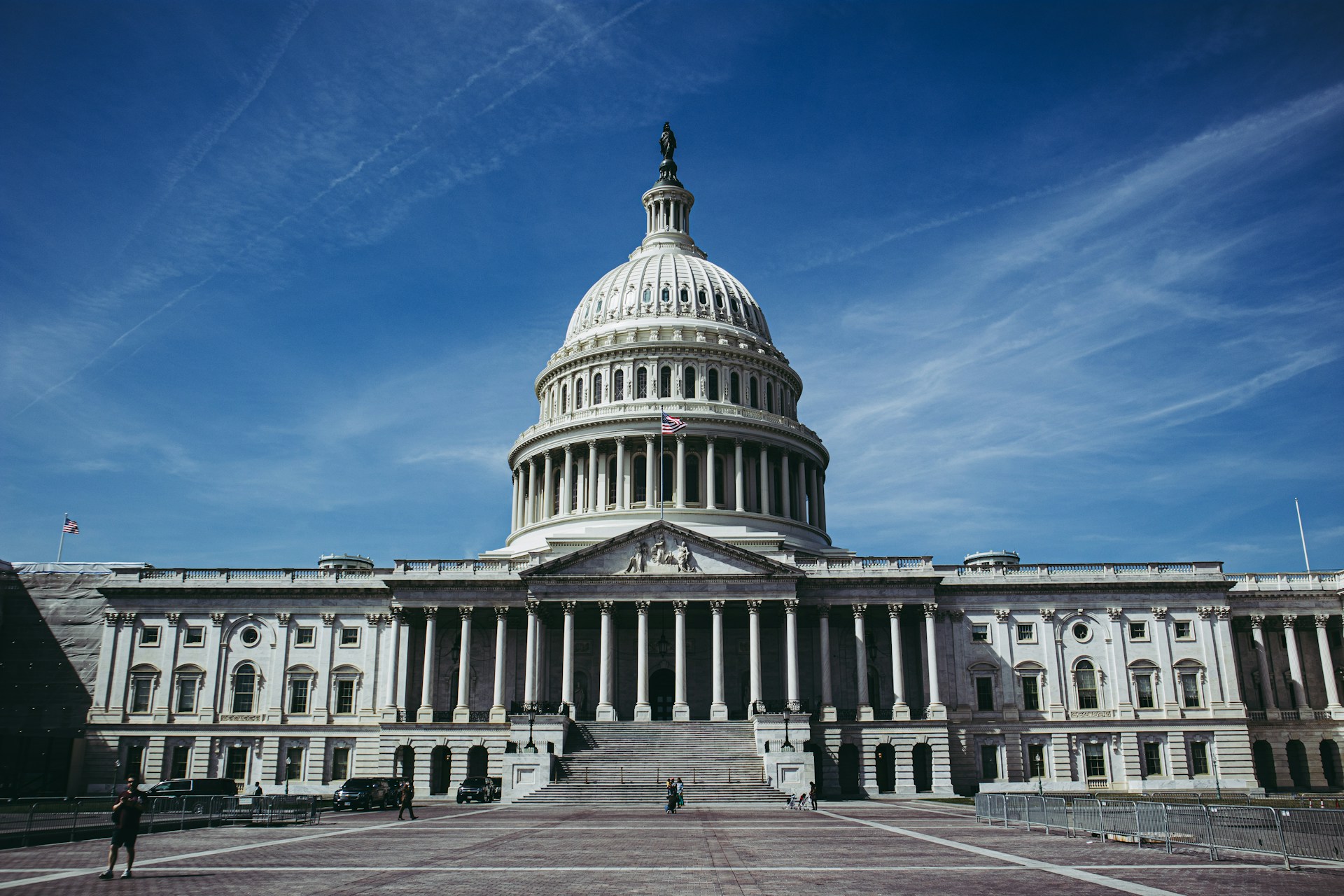
The U.S. budget deficit skyrocketed to $1.99T last week, just shy of the $2T mark last breached when the nation was spending heavily in the throes of the COVID-19 pandemic (1, 2).
That's 12% higher than 1 year ago, when the deficit sat at $1.78T (1).
The deficit shows the gap between what the federal government collects and what it spends.
Government spending and tax cuts are some of the primary drivers of the deficit — particularly the defense budget, declining corporate tax revenue, and interest owed on the national debt and Social Security (1, 2).
Though the deficit has risen steadily since 2015 under both the Trump and Biden administrations, recent tax cuts under the 2025 One Big Beautiful Bill Act are expected to exacerbate the trend (2, 3).
The Congressional Budget Office estimates that the Act will add $3.4T to the deficit by 2034 (4).
Another recent factor was the rollback of some of President Trump's tariffs after the Supreme Court deemed them unconstitutional. The ruling reduced the government's inflow (2).
The deficit of $1.99T marks the nation's largest-ever deficit, except for periods when the U.S. was at war or in a recession (5).
Sources & Further Reading
- "What is the national deficit?" U.S. Treasury Department. October 19, 2026.
- "U.S. Budget Deficit Nears $2 Trillion, a Reality Check for Trump’s Cost Cutting." NY Times. October 16, 2026.
- "One Big Beautiful Bill: What We Know So Far." Tax Policy Center. March 23, 2026.
- "Estimated Budgetary Effects of Public Law 119-21, to Provide for Reconciliation Pursuant to Title II of H. Con. Res. 14, Relative to CBO’s January 2025 Baseline." Congressional Budget Office. July 21, 2025.
- "Treasury Confirms $2 Trillion Deficit for Fiscal Year 2026." Committee for a Responsible Federal Budget. October 16, 2026.