Taiwan bans short sales below prior close as Asia moves to prop up stocks after AI rout
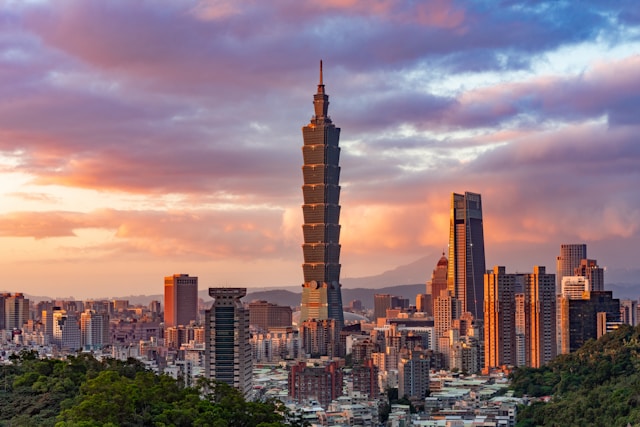
Taiwan, South Korea and China rolled out steps to support their stock markets over the weekend after the AI selloff gave Taiwan's benchmark index its worst week in 35 years, Bloomberg reported.
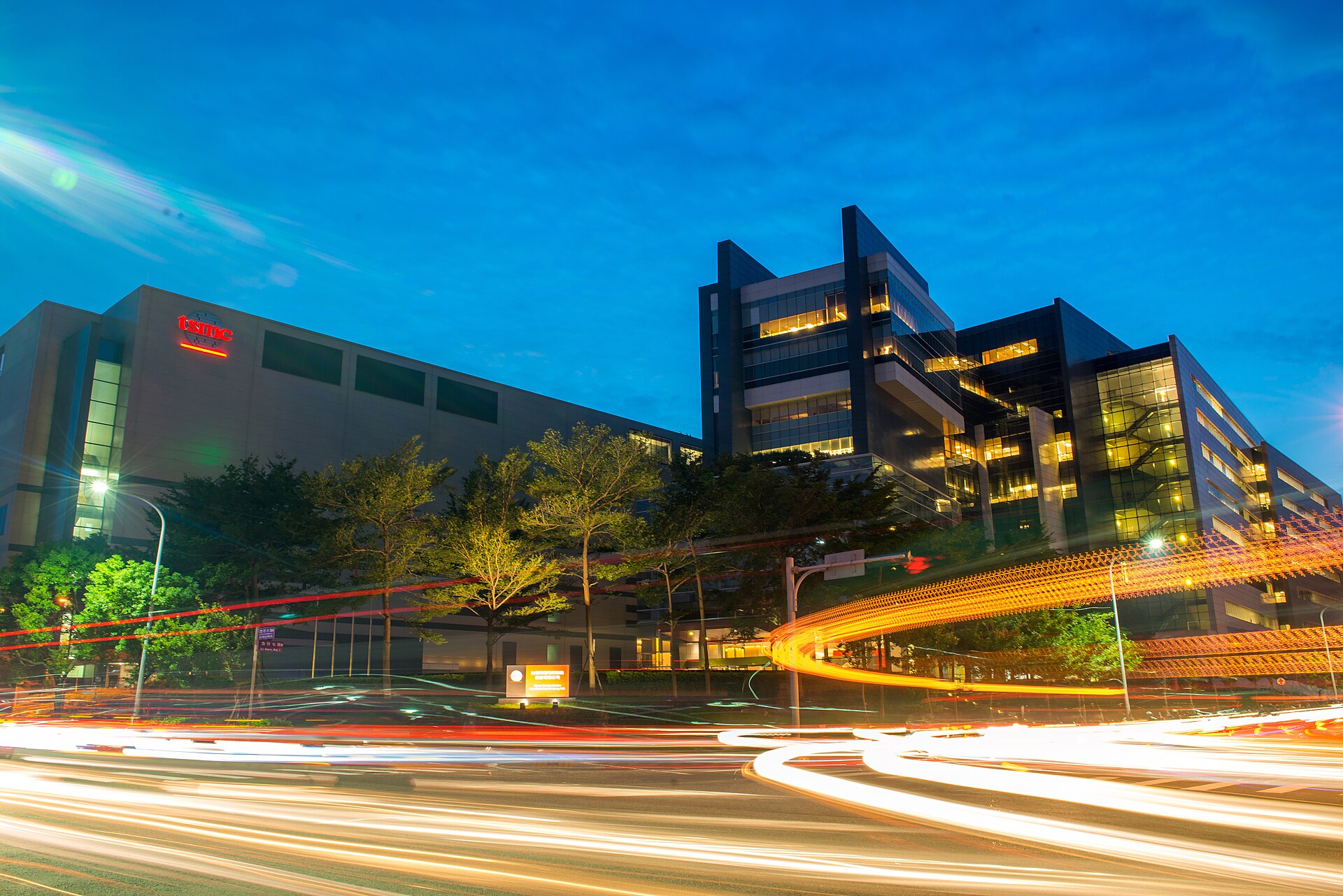
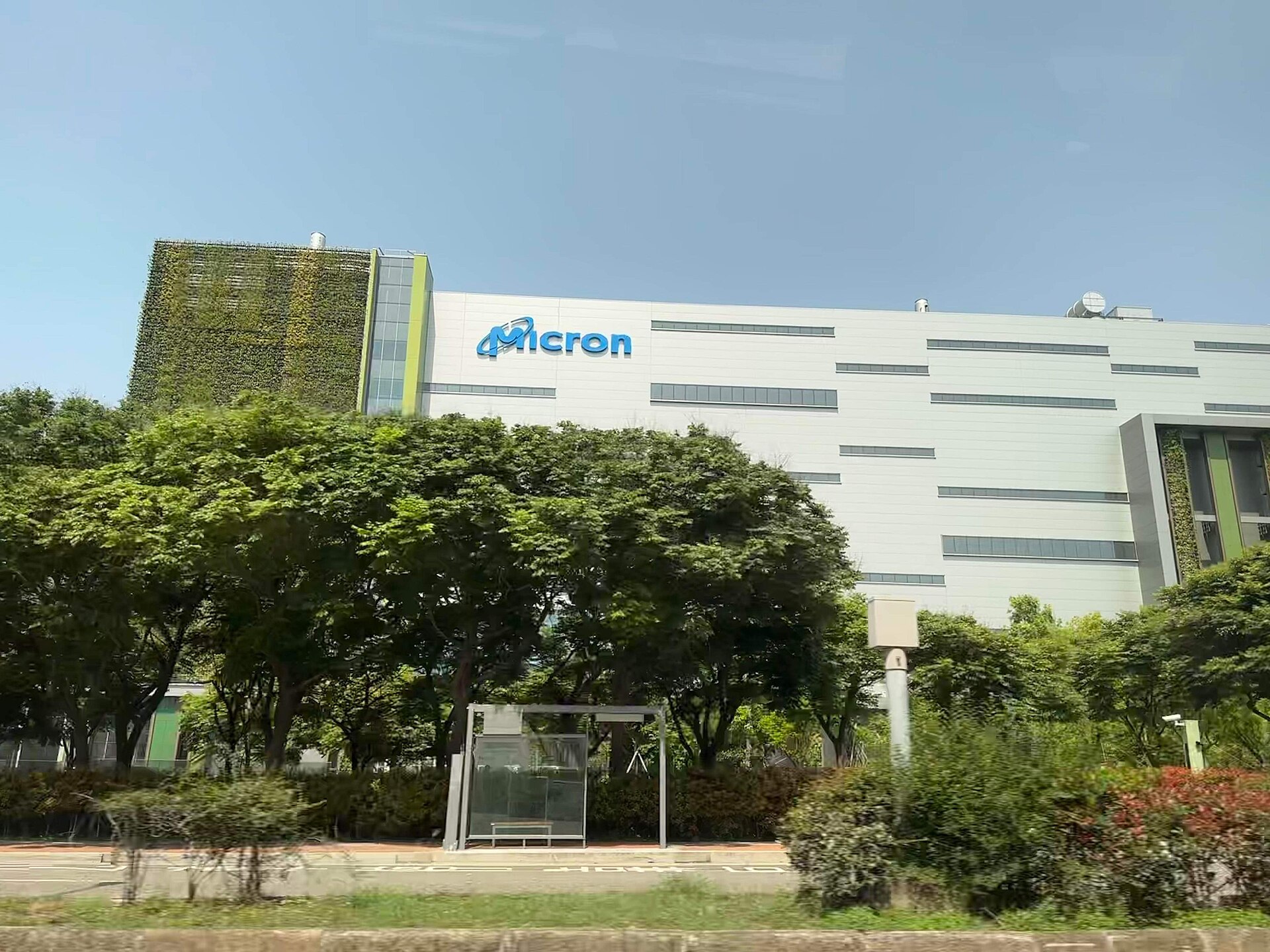
The moves came after another sharp drop on Wall Street on Friday, when the S&P 500 closed in a correction, more than 10% below its record. Taiwan and South Korea are home to Taiwan Semiconductor Manufacturing (TSM), Samsung Electronics (KRX:005930) and SK Hynix (SKHY), which make many of the chips behind the AI boom.
| Index | Change on Friday | |
|---|---|---|
| Taiwan Taiex | -6.2% | |
| South Korea Kospi | -5.2% | |
| China Shenzhen Component | -3.1% | |
| China Shanghai Composite | -1.2% |
Taiwan's Financial Supervisory Commission announced five measures on Saturday. The main one bars short sales below the previous day's closing price for all listed stocks starting Monday, November 23, widening curbs the regulator put in place on Thursday that applied only to stocks that had already fallen 3.5% or more. A short seller sells borrowed shares in hopes of buying them back cheaper. Securities and futures firms shorting to hedge their own business are exempt.
The other four:
- The minimum margin a short seller must put up rises from 130% to 150% of the sale.
- The regulator has temporarily stopped accepting broker applications to list new put warrants, which gain when a stock falls.
- Companies are encouraged to buy back their own shares, and buybacks completed between October 2026 and March 2027 will count toward their 2026 ESG ratings, which score a company's environmental, social and governance record.
- Banks and other lenders are asked to pause lending out shares and, where their contracts allow, to recall shares already on loan or not renew them.
Taiwan's NT$500B ($15B) National Financial Stabilization Fund also said it has entered the market to buy shares, according to Bloomberg.
More help may follow. Bloomberg reported that the Taiwan Stock Exchange met with 10 brokers on Sunday to discuss cutting the margin maintenance ratio from 130% to 120%. That ratio is the level at which investors who bought with borrowed money must add cash or have their shares sold.
In South Korea, Finance Minister Lee Hyoung-il, Bank of Korea Governor Shin Hyun Song and the heads of the Financial Services Commission and the Financial Supervisory Service held an emergency meeting on Sunday.
The finance ministry said it will begin preparations right away so its market stabilization funds "can be activated immediately depending on market conditions," Reuters reported. Seoul has historically held these funds in reserve as a signal to steady sentiment, including during the COVID-19 pandemic, rather than actually deploying them.
Officials also agreed to relax the daily cap on company share buybacks for three months, and said they would watch leveraged positions and margin calls closely and crack down on illegal short selling, according to Reuters.
The Kospi closed Friday at its lowest level since January 16. Reuters reported it is now more than 40% below its June peak, after more than doubling in the first half of the year on the rally in Samsung and SK Hynix.
In China, the Shanghai, Shenzhen and Beijing stock exchanges cut the minimum margin ratio from 100% to 80%, starting November 30. The ratio is the cash an investor must put up for a purchase made with borrowed money, so lowering it lets investors take on more borrowing for each yuan they deposit. The change reverses an increase the exchanges made in January.
The China Securities Regulatory Commission approved the change. The exchanges said margin financing activity "has weakened significantly recently, while overall leverage is low." According to Reuters, outstanding margin loans now total about 2.2T yuan, down from roughly 3T yuan in late June. The Shanghai and Shenzhen exchanges also cut trading fees.
The Shanghai Composite fell nearly 3% last week to a 16-month low.
In New York, the US-listed shares of the region's chipmakers and the country funds fell hard on Friday:
| US listing | Change on Friday | |
|---|---|---|
| SK Hynix (SKHY) | -13.1% | |
| iShares MSCI Taiwan ETF (EWT) | -11.0% | |
| Taiwan Semiconductor Manufacturing | -9.5% | |
| iShares MSCI South Korea ETF (EWY) | -8.4% |
All four rose between 1.7% and 3.1% in after-hours trading. Taiwan's ban takes effect when its market opens on Monday, and China's margin cut follows on November 30.
Sources & Further Reading
- "Asia's Stock Rescue Efforts Gather Pace After Wall Street Plunge." Bloomberg. November 22, 2026.
- "To maintain market order, the FSC announces five measures including a full ban on short selling below the previous close." Financial Supervisory Commission, Taiwan. November 21, 2026.
- "Taiwan Widens Short Sale Curbs After Shares Plunge on AI Concern." Bloomberg. November 21, 2026.
- "Taiwan Mulls Lowering Margin Requirement to Support Stock Market." Bloomberg. November 22, 2026.
- "S. Korea Rolls Out Phased Measures to Stabilize Stock Market." Bloomberg. November 22, 2026.
- "South Korea prepares market stabilisation funds after KOSPI hits 10-month low." Reuters. November 22, 2026.
- "Chinese exchanges ease margin trading requirements to aid stock markets." Reuters. November 22, 2026.
This article was drafted with the help of AI. Kyle Vallans fact-checked, edited and published the article and is responsible for its accuracy and quality. How we use AI