IEA expects data centers to double their power use by 2030, pushing some grids to the limit
The International Energy Agency warned on Thursday that the race to build data centers risks overloading power grids in some of the fastest-growing markets.
In its annual World Energy Outlook, the Paris-based agency says the data centers planned in some major markets would need more power than those markets now use at their peak, if every project were built.
Fewer than 100 large AI projects alone would need about 50 gigawatts (GW) between them. That is about as much as Great Britain uses at its peak.
The IEA expects data centers' electricity use to double by 2030, with AI behind three-quarters of the increase.
The agency sees about $4T of investment going into data centers worldwide by 2030, after $565B in 2025.
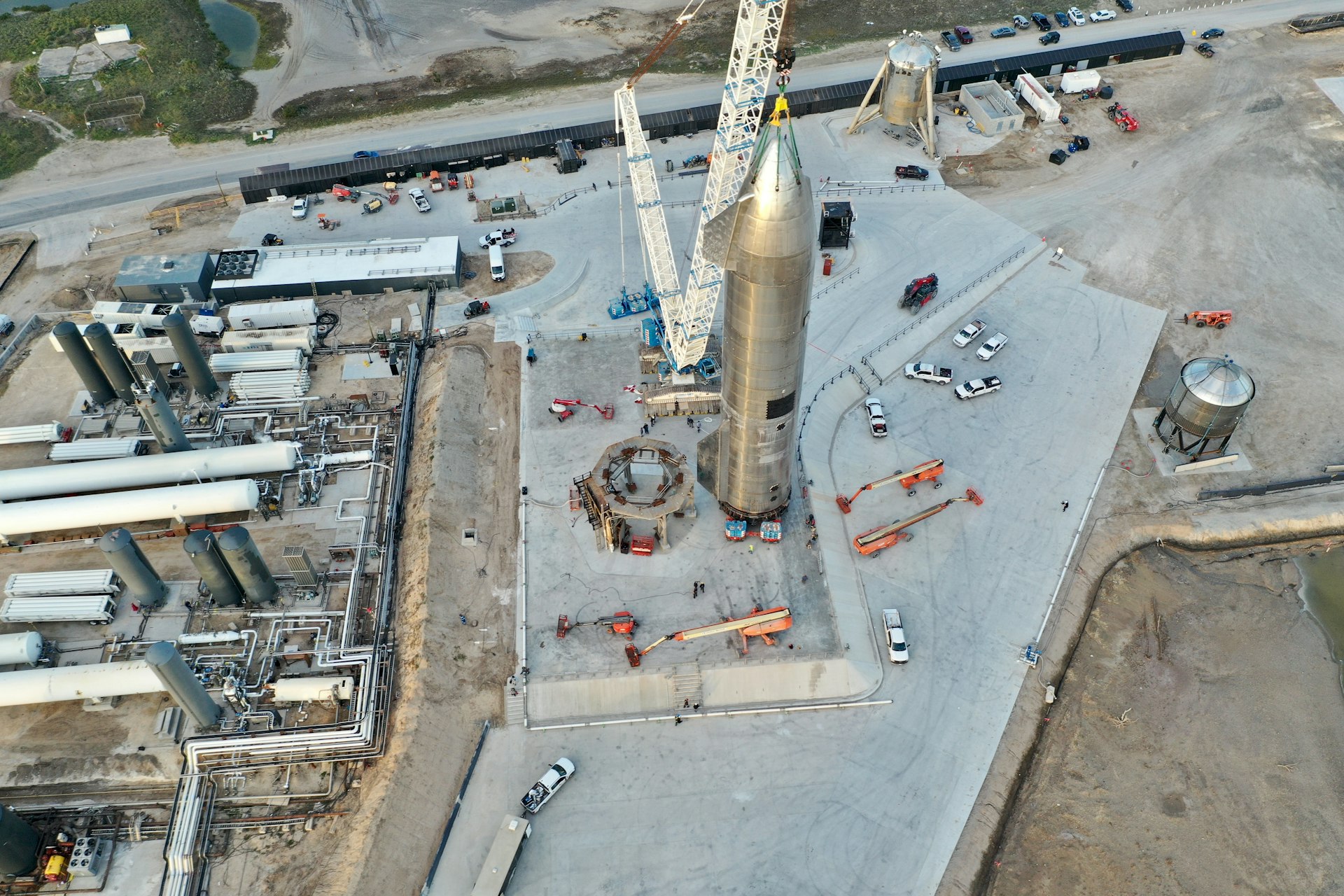
To track the build-out, the IEA used satellite images of large AI sites under construction. It found that the capacity of those sites grew tenfold in two years, to 17 GW.
Tech companies are the largest corporate buyers of renewable power. Even so, the boom is adding demand for gas and coal, and the IEA expects data center emissions to grow 70% by 2030.
The main power source for data centers by 2030 differs by region:
| Region | Main source by 2030 |
|---|---|
| US | Natural gas, about 60% |
| China | Coal, about half |
| EU | Renewables, about 70% |
US data center developers had plans for about 180 GW of new gas-fired plants as of August, the IEA says. That is close to the EU's entire installed gas capacity.
The build-out already faces local pushback over power bills, including votes in at least 14 Ohio towns this month to ban or limit data centers.
Sources & Further Reading
- "World Energy Outlook 2026." International Energy Agency. November 19, 2026.
- "IEA Sees Data Center Boom Pushing Power Grids to the Limit." Bloomberg. November 19, 2026.
- "Datacentres to create 70% more carbon emissions by 2030, IEA report warns." The Guardian. November 19, 2026.
This article was drafted with the help of AI. Kris Gunnars fact-checked, edited and published the article and is responsible for its accuracy and quality. How we use AI