California's proposed billionaire tax defeated in ke
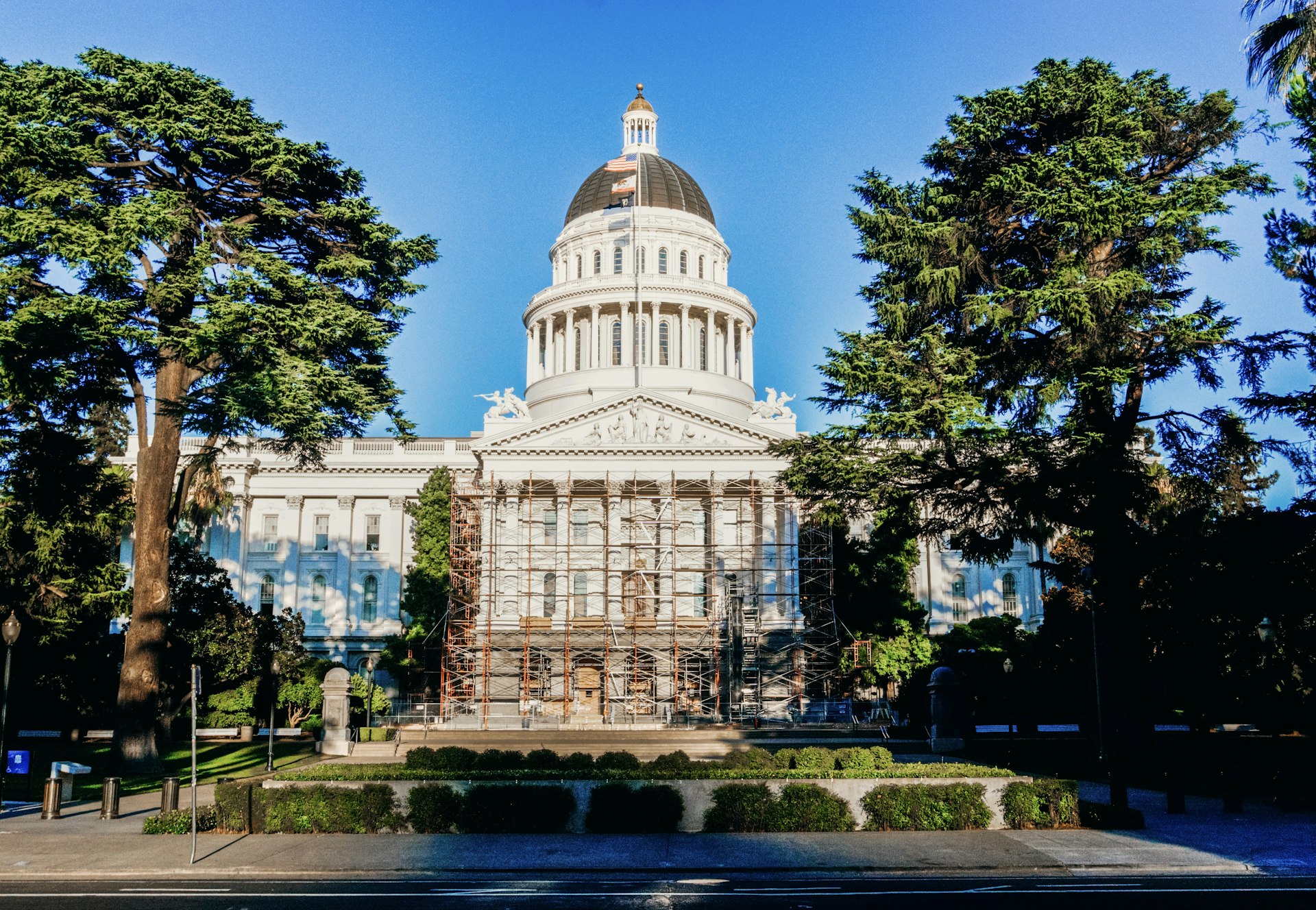
California voters rejected a one-time 5% tax on billionaires' wealth, in a win for Meta (META) CEO Mark Zuckerberg and other tech founders.
The Associated Press called the race for the "no" side on Monday, with Proposition 40 trailing by 52.8% to 47.2%. Most Californians vote by mail, so ballots are still being counted.
The measure would have taxed Californians worth $1B or more, mostly to pay for healthcare. Its backers, led by a prominent healthcare workers' union, said the money would replace health funding that Congress cut to pay for last year's tax cuts.
The union says it will try again in 2028 if state lawmakers do not find another fix.
Opponents argued that the richest residents would move away, and the state would lose the income tax they pay along with their businesses.
The fight split Democrats. Sen. Bernie Sanders rallied across the state for the tax, which the California Democratic Party and the state's main labor federation also backed.
Gov. Gavin Newsom, a Democrat, opposed it, as did groups that usually side with Democrats, including the California Teachers Association, the California Medical Association, and Planned Parenthood.
Newsom says a California-only wealth tax would put the state at a disadvantage. He called Sanders's focus on inequality "spot-on" but told reporters that "on this issue, we fundamentally disagree."
He also backed Proposition 42, a rival measure that cancels Prop 40 and bans new state taxes on personal property. It was leading by 51.6% to 48.4% on Monday evening.
Building a Better California, the committee that led the opposition, raised more than $333M. Google (GOOGL) cofounder Sergey Brin gave over $100M, and at least 11 other billionaires also contributed. Brin and fellow Google cofounder Larry Page started cutting ties with California before the vote.
Not every billionaire objected. Nvidia (NVDA) CEO Jensen Huang, who faced a bill of nearly $8B, said in January that he was "perfectly fine with it." Businessman Tom Steyer campaigned on taxing "billionaires like me" in his failed run for governor.
Meta said Zuckerberg "could become liable for a significant, multi-billion dollar tax payment," and he told a special committee of the company's board that he was evaluating moving out of California.
On Oct. 19, the board approved a new class of non-voting Class C shares, one for each existing share, so Zuckerburg could sell stock to pay the tax without losing control. In return, he committed to live in California, or wherever Meta has its headquarters, for 8 years.
California's vote removes his tax bill, but the new shares still take effect on Jan. 19, 2027.
Sources & Further Reading
- "California voters reject measure to tax the wealth of billionaires." Associated Press. November 9, 2026.
- "Billionaires spent $378 million to kill California's wealth tax. It worked." CalMatters. November 9, 2026.
- "Billionaire tax measure on California ballot defeated." Reuters. November 9, 2026.
- "Gavin Newsom backs measure to kill the billionaire tax and ban future wealth taxes." CalMatters. October 9, 2026.
- "Nvidia's Jensen Huang would have to pay about $8 billion in proposed billionaire tax—he says that's 'perfectly fine' with him." CNBC. January 7, 2026.
- "California's billionaire tax: What's at risk for the biggest state economy in America." CNBC. July 17, 2026.
- "Meta Platforms Information Statement (Schedule 14C)." Meta Platforms. November 2, 2026.
- "Meta Platforms Current Report (Form 8-K)." Meta Platforms. October 21, 2026.
This article was drafted with the help of AI. Gabe Dunsmith fact-checked, edited and published the article and is responsible for its accuracy and quality. How we use AI