Alibaba's September-quarter revenue grows 10% to $40.5B, beating estimates. Its AI cloud unit grows 53%
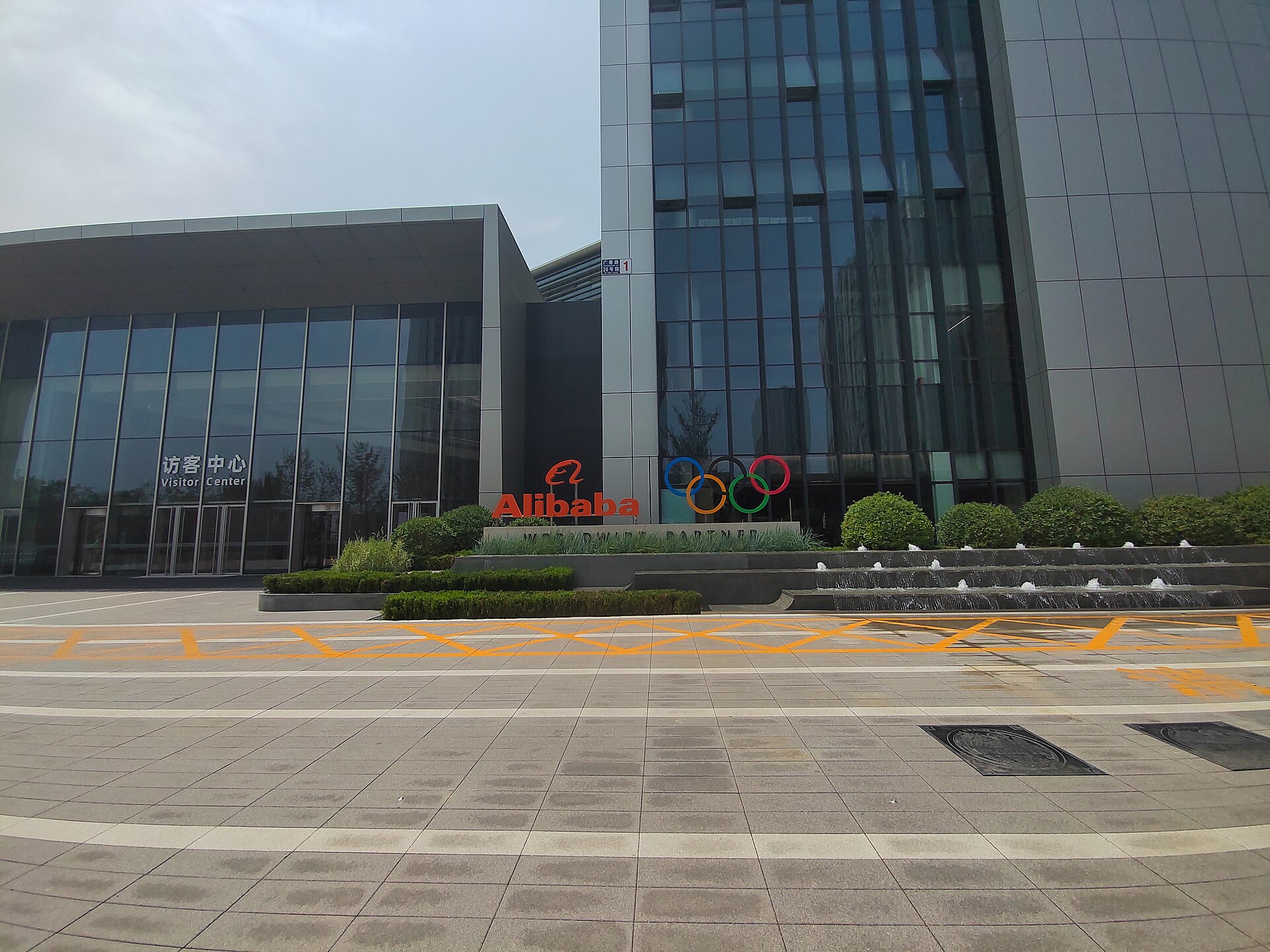
Alibaba (BABA) beat revenue estimates for the September quarter, as demand for AI computing sped up growth at its cloud business.
Revenue grew 10% from a year earlier to 271.5B yuan ($40.5B) in the three months to September 30.
Analysts polled by LSEG had expected 269.8B yuan, Reuters reports. The average forecast compiled by Bloomberg was 270.5B yuan.
| Yuan | Q2 FY26 | Q2 FY27 | Change | |
|---|---|---|---|---|
| Revenue | 247.8B | 271.5B | +10% | |
| AI Cloud and Compute Services | 39.9B | 61.0B | +53% | |
| Adjusted EBITA | 9.1B | 32.6B | +260% | |
| Non-GAAP net income | 10.4B | 19.9B | +92% | |
| Capital spending | 31.5B | 50.5B | +60% |
The AI Cloud and Compute Services unit combines Alibaba Cloud with T-Head, the group's chip designer.
Its 53% growth was faster than the 45% it posted in the June quarter. Revenue from AI-related products grew at a triple-digit rate for the 13th quarter in a row.
CEO Eddie Wu pointed to cloud customers outside the group. He said: "Growth in Alibaba Cloud's recurring revenue from external customers was 67%, which drove an acceleration of overall cloud revenue growth with significantly improving profitability."
Adjusted EBITA, a measure of operating profit that leaves out share-based pay and some other costs, more than tripled. Alibaba credits smaller losses at Taobao Instant Commerce, its quick delivery service, and better results in the cloud business.
Net income more than tripled to 64.4B yuan, mostly because the value of the company's stakes in other companies rose. The non-GAAP figure in the table above leaves those gains out.
In online shopping, customer management revenue fell 5%. That is the fees merchants pay Taobao and Tmall for ads and services. The company says it would have grown 1% if it had not started to book some merchant subsidies as a cut to revenue instead of a marketing cost.
The AI Labs and Applications unit, home to the Qwen models and the Qwen app, lost more money. Its adjusted EBITA went from a loss of 3.4B yuan to a loss of 10.5B yuan, on higher AI spending and the cost of running the Qwen app.
Capital spending grew 60% as Alibaba added computing capacity and paid more for chip components. That left free cash flow at an outflow of 34.5B yuan.
CFO Toby Xu said the company will "maintain disciplined investments in AI capabilities with a focus on return on invested capital while targeting to achieve positive free cash flow."
Alibaba's Hong Kong shares (HKG:9988) closed 5.5% lower on Thursday, before the results came out. Its U.S. shares were little changed in premarket trading, as of 5:32 a.m. ET.
The results come on the day a U.S. rule that cuts Chinese companies off from AI chips in data centers abroad is set to take effect.
Sources & Further Reading
- "Alibaba Group Announces September Quarter 2026 Results and Interim Results for the Six Months Ended September 30, 2026." Alibaba Group. November 19, 2026.
- "China's Alibaba beats quarterly revenue estimates." Reuters. November 19, 2026.
- "Alibaba's Revenue Beats Estimates During China's AI Boom." Bloomberg. November 19, 2026.
- "Alibaba Group Q1 2027 Earnings Press Release." Alibaba Group. August 20, 2026.
This article was drafted with the help of AI. Kris Gunnars fact-checked, edited and published the article and is responsible for its accuracy and quality. How we use AI