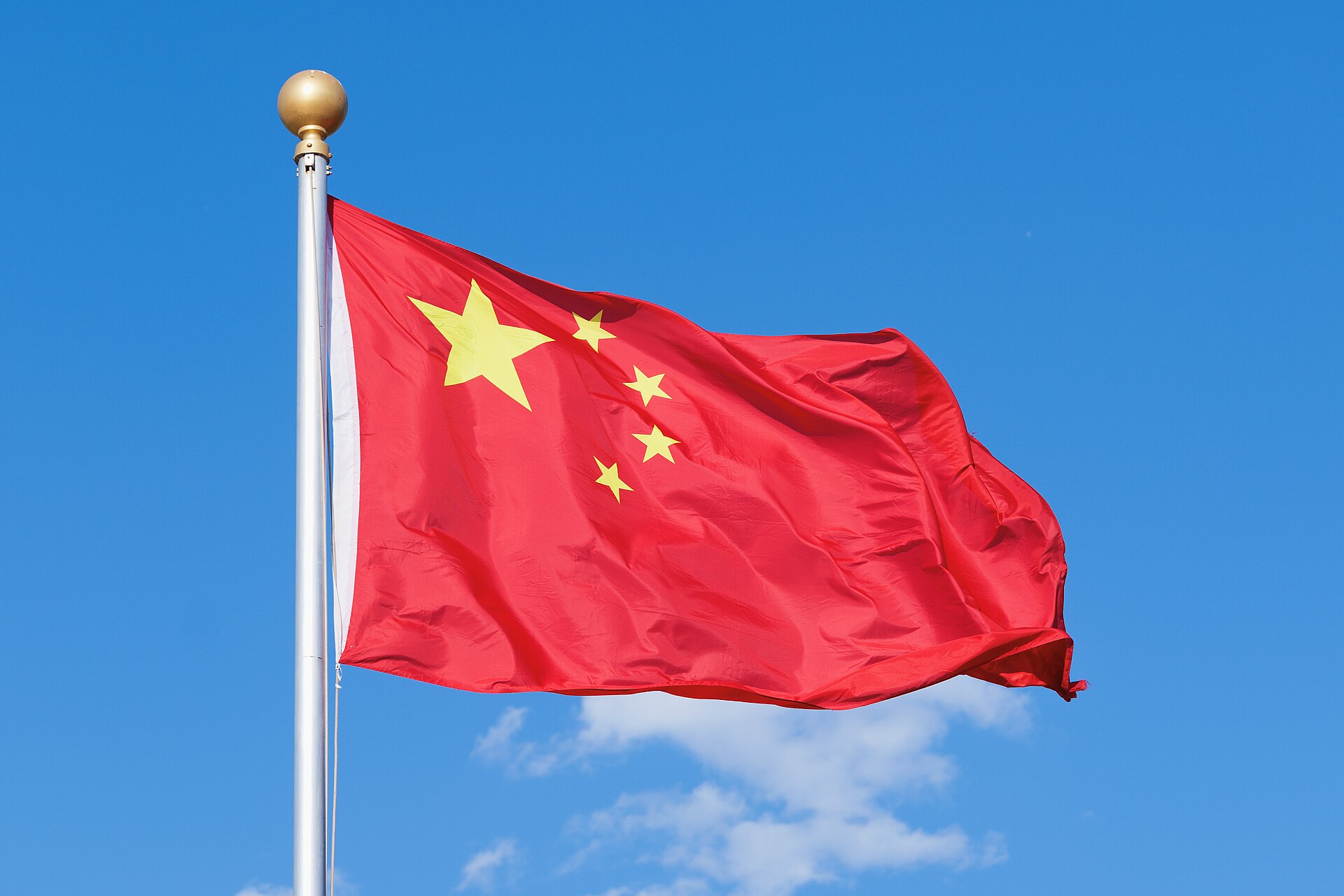
Trump administration weighs making U.S. companies disclose their use of Chinese AI models
The Trump administration is weighing whether to make U.S. companies say publicly which Chinese AI models they use, Reuters reports.
Officials at the Treasury Department and the White House Office of Science and Technology Policy have discussed the idea. Companies would have to post on their own websites which Chinese models they rely on.
Airbnb (ABNB) is one company it would cover. Its AI agent for customer service runs on Qwen, a model from Alibaba (BABA).
The aim is to steer companies away from Chinese AI without new restrictions that could anger businesses or Beijing. In effect, users would be shamed in public while the administration keeps its wider opposition to regulating AI.
Chinese open-weight models, whose core parts anyone can download and change, have won over U.S. companies. They cost less than tools from OpenAI and Anthropic (ANT), and they work well enough.
Measured by tokens, the units of data a model processes, the three most used models on the AI marketplace OpenRouter in October were Chinese.
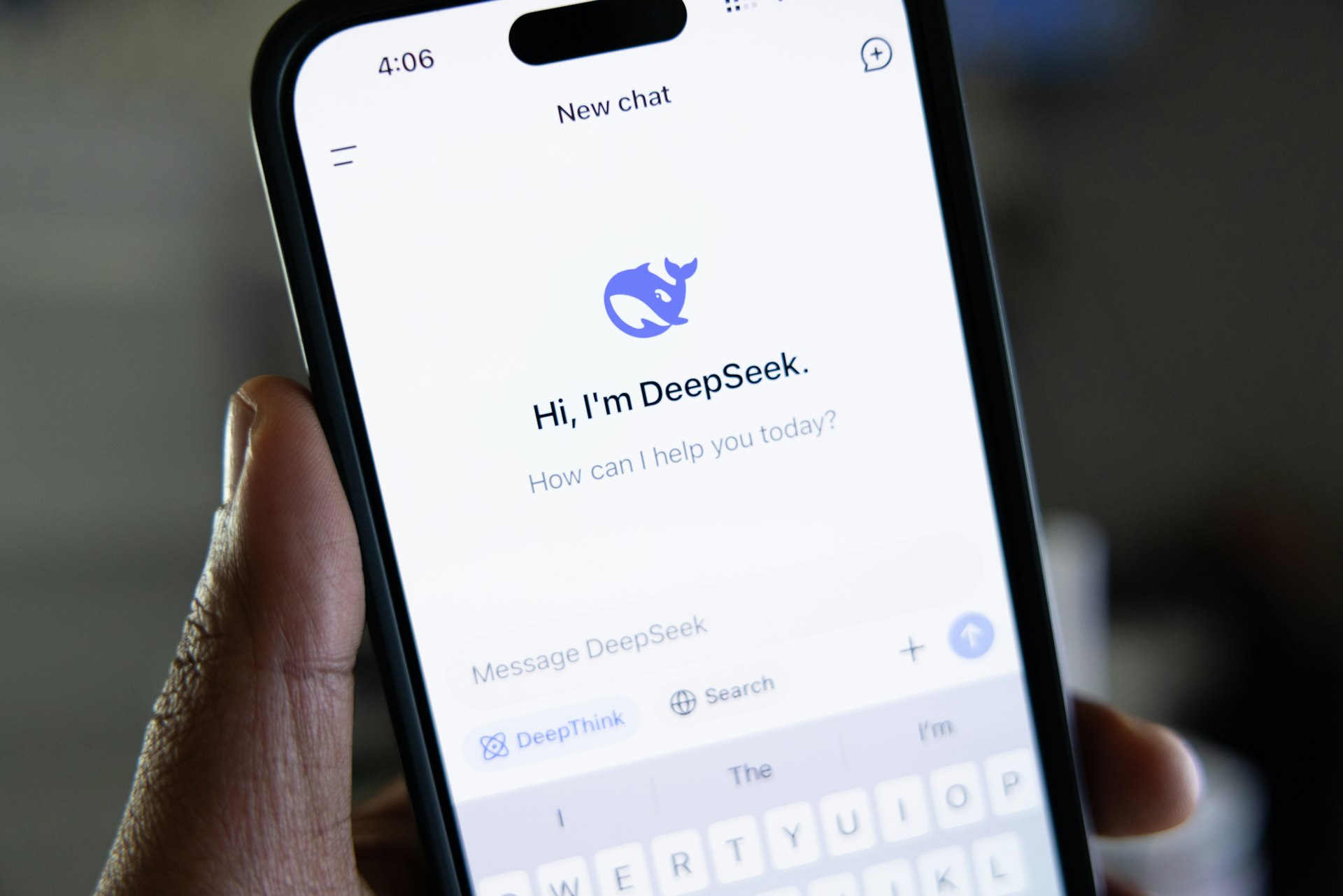
China hawks worry that Beijing uses models such as DeepSeek, Kimi from Moonshot AI and Qwen to make U.S. businesses rely on Chinese AI.
Congress is already investigating. In April, Andrew Garbarino, chairman of the House Homeland Security Committee, and John Moolenaar, who leads the select committee on China, sent letters to Airbnb and to Anysphere, which makes the coding tool Cursor and is now owned by SpaceX (SPCX). Cursor's Composer model is based on Moonshot's Kimi.
In their letter to Airbnb, the lawmakers wrote that the company had said publicly it relies on Qwen over American alternatives because it is "fast and cheap."
DoorDash (DASH) received a similar letter in July. One of its co-founders has said an internal system at the company sends some tasks to Kimi.
So far, Washington has not restricted or punished any Chinese AI company. Treasury Secretary Scott Bessent said in July they could face sanctions if found to have stolen from U.S. models through distillation, in which a smaller model is trained on a larger one's answers.
Pressure for a tougher line on China has grown since the spy scandal that pushed Jensen Huang out as CEO of Nvidia (NVDA).
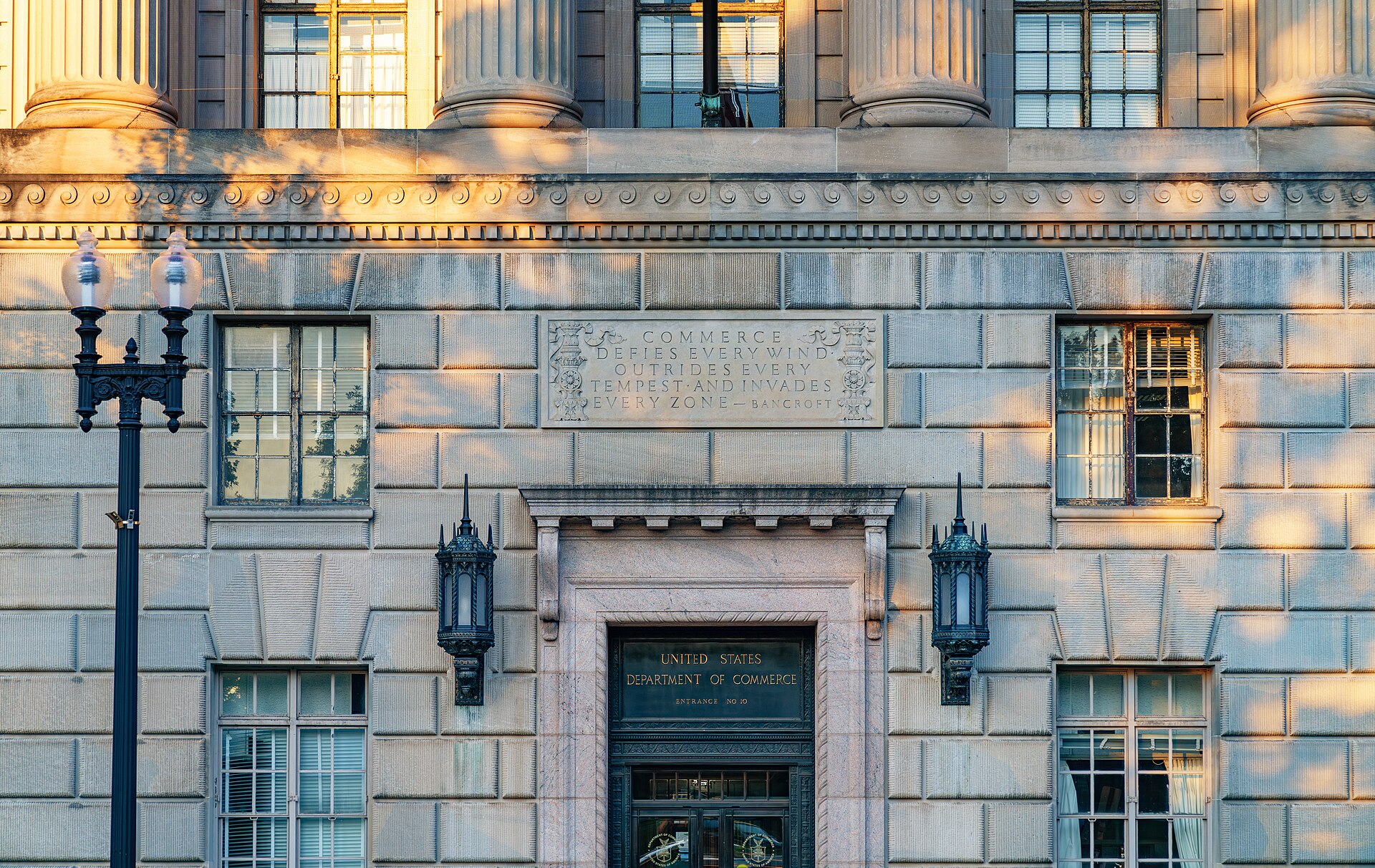
On Monday, the Commerce Department closed a loophole that let Chinese firms rent U.S. AI chips in data centers abroad.
It is not yet clear, according to Reuters, whether the idea has support inside the administration or would go through a formal rulemaking.
The report comes a day before President Donald Trump meets Chinese President Xi Jinping in Shenzhen on Thursday.
Sources & Further Reading
- "Exclusive: Trump administration weighs forcing US firms to disclose Chinese AI use." Reuters. November 18, 2026.
- "Chairmen Garbarino, Moolenaar Announce Joint Investigation into National Security Risks Posed by PRC AI Models." House Committee on Homeland Security. April 29, 2026.
- "Chairmen Garbarino, Moolenaar Continue Joint Investigation Into Security Risks Posed by PRC Open-Weight AI Models." House Committee on Homeland Security. July 31, 2026.
This article was drafted with the help of AI. Kris Gunnars fact-checked, edited and published the article and is responsible for its accuracy and quality. How we use AI