How to Invest in SpaceX Stock in 2026

SpaceX is a company unlike any other.
It:
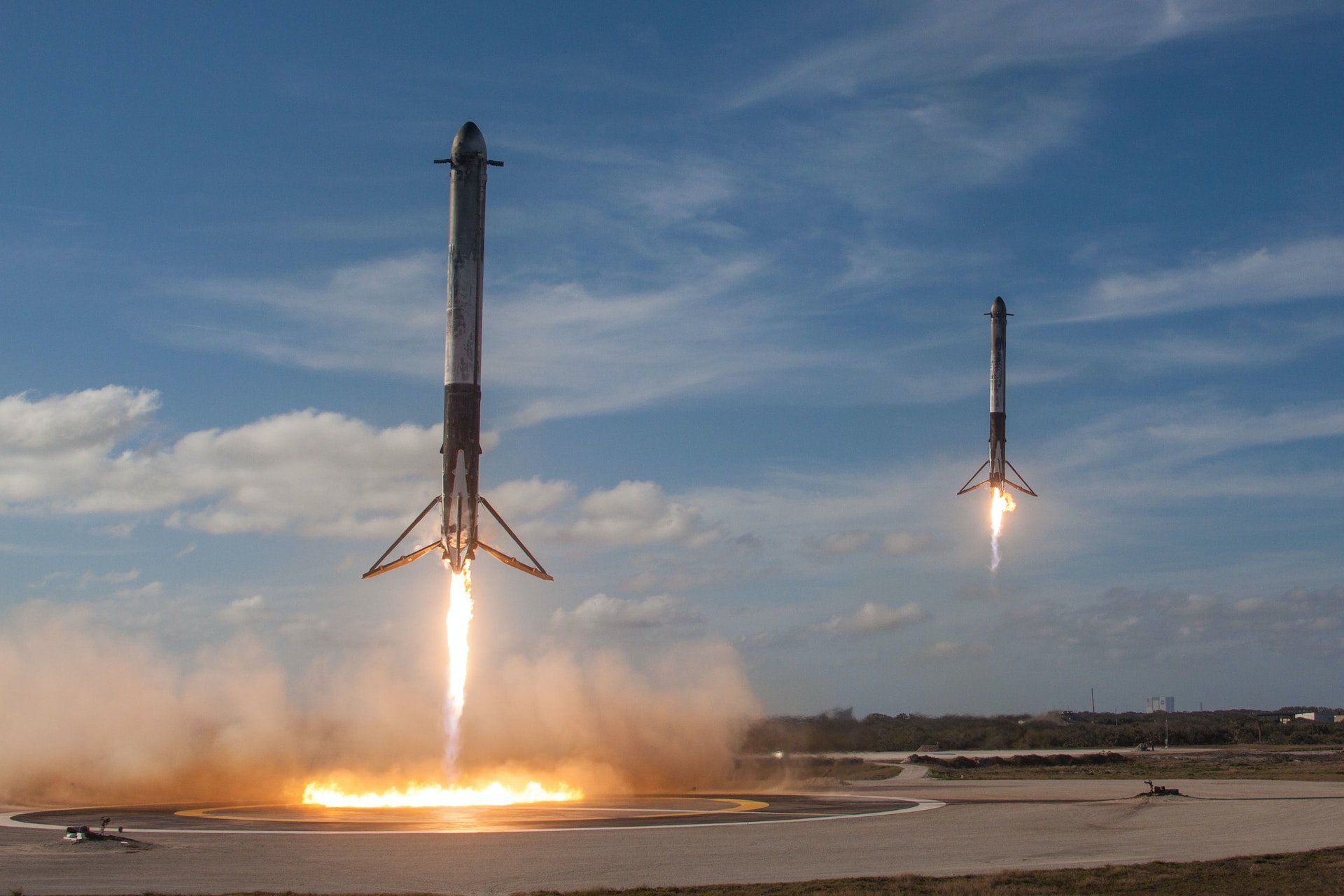
- Designs, manufactures, and launches reusable rockets and spacecraft
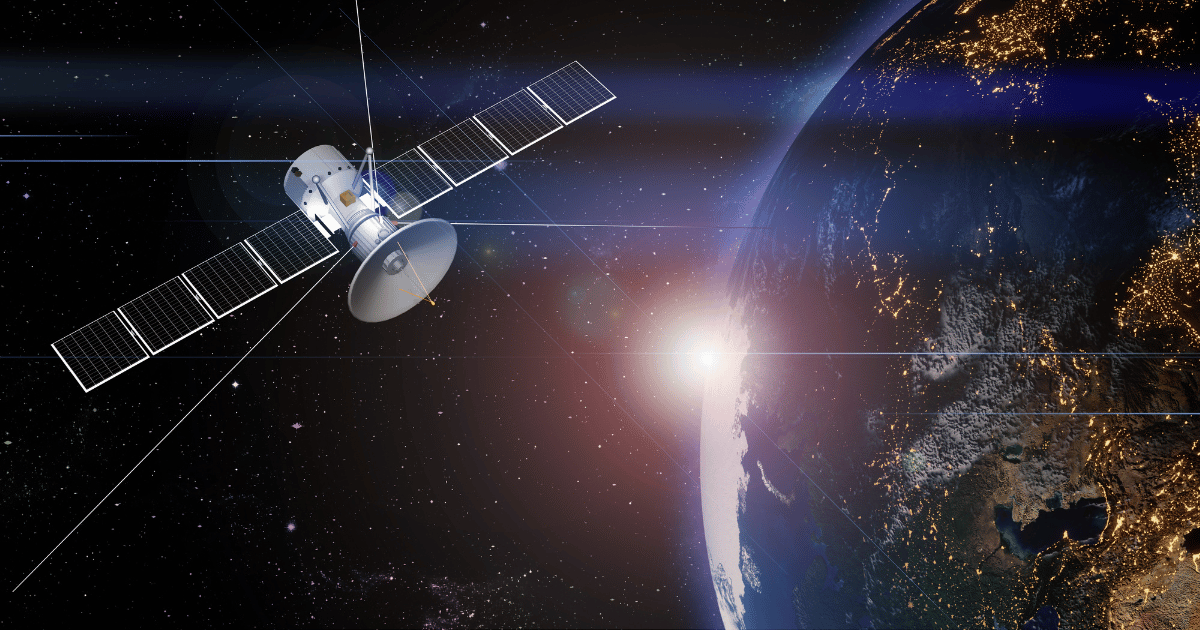
- Engineers and operates Starlink, the world's largest satellite internet network
- Manages X (Twitter), a global social media and news platform with 600 million users
- Develops artificial intelligence models and provides AI data center compute through xAI
And on June 12, 2026, SpaceX went public.
The SpaceX (SPCX) IPO was the largest public offering ever. The company sold 555.55 million shares at $135 each, raising more than $75 billion and giving it a valuation of $1.75 trillion.
SpaceX opened trading at $150 per share and surged over 30% before closing the day at $160.95. The first day rally made Elon Musk the world's first trillionaire.
As of the time of this writing, SpaceX is trading at more than $210 per share, giving it a $2.77 trillion market capitalization and making it the fifth largest company in the world.
How to buy SpaceX stock
Since SpaceX (SPCX) is now a publicly traded company, anyone can buy it with a regular brokerage account.
If you need a brokerage account, we like Public. On Public, you can invest in stocks, ETFs, Treasury bills, bonds, and more. See this article for more information and more brokerage options.
Here's how:
- Open your brokerage account
- Type in "SpaceX" or "SPCX"
- Select "Buy"
- Enter the number of shares you'd like to purchase
- Select "Market order" (buy immediately at the current ask price) or "Limit order" (set the price per share you're willing to pay)
- Place the order
If the market is open and the price you set is equal to or higher than the current trading price, your order will get filled immediately.
That's it. You're now a part owner of SpaceX.
Note: Recently IPO'd stocks can be volatile, especially those with a lot of volume and investor interest like SpaceX. Do your own due diligence and proceed with caution.
SpaceX business
Here's a summary look at SpaceX's primary business segments:
| SpaceX | Starlink | X (Twitter) | xAI | |
| Sector | Reusable rockets | Satellite internet network | Social media | Artificial intelligence |
| Revenue (2025) | $4 billion | $11.4 billion | (included in xAI figure) | $3.2 billion |
| Operating income (2025) | -$657 million | $4.4 billion | (included in xAI figure) | -$6.35 billion |
| More | More | More |
Numbers from its S-1. See SpaceX's key business metrics.
In total, the SpaceX conglomerate generated $18.67 billion in revenue in 2025.
However, despite increasing revenue 33% year-over-year, SpaceX's acquisition of xAI pushed the company from a profit of $791 million in 2024 to a net loss of -$4.94 billion in 2025.
SpaceX's expansion beyond rockets
For most of its history, SpaceX was known as a rocket company. But, as you can see from the table above, that's no longer the full story.
Today, SpaceX is split between rocket manufacturing and launch services, satellite internet services, a social media company, and an artificial intelligence business.
While Starlink grew out of SpaceX organically (Starlink was founded in 2015 and began launching in 2019), SpaceX acquired xAI — Musk's artificial intelligence lab which he founded in 2023 — in February 2026. And since xAI had acquired X in March 2025, the xAI acquisition also brought the social media platform into the fold.
The result is a company that now combines rockets, satellites, internet service, government contracts, social media, artificial intelligence models, and AI infrastructure.
And just four days after its IPO, Musk made another move.
On June 16, SpaceX executed its option to acquire Anysphere, the maker of Cursor, for $60 billion.
Cursor is an AI coding tool used by software developers write, edit, and debug code. The acquisition will give xAI a much stronger position in AI coding, which has become one of the most valuable use cases for AI and a key source of revenue for competitors like Anthropic and OpenAI.
Building AI data centers in space
In its S-1, SpaceX said one of its long-term ambitions is to build orbital data centers.
That may sound unrealistic, but it helps explain why SpaceX, Starlink and xAI all fit under one corporate umbrella.
Current advances in AI depend on data centers that require enormous amounts of power, land, and cooling. As models scale, those constraints are becoming one of the biggest bottlenecks to progress.
For this reason, some have considered building data centers in space, where solar energy is abundant, cooling is effectively free, and environmental and permitting constraints largely disappear.
Elon Musk is one of the most outspoken proponents of this idea. He has repeatedly argued that large-scale AI will eventually require moving compute off Earth altogether.
That belief is where SpaceX, Starlink, and xAI converge. The combined SpaceX has launch systems, orbital infrastructure, satellite networks, and AI compute under one roof, positioning SpaceX for a future where solar-powered satellites are operating as orbital data centers.
SpaceX valuation
SpaceX IPO'd at a $1.75 trillion valuation on June 12, 2026.
Since then, its market capitalization has increased to nearly $2.8 trillion, making it the fifth largest company in the world (ahead of both Meta Platforms and Musk's own Tesla).
Although no other company has the same rocket-satellite-compute combination, this valuation is incredibly high. Given its $18.7 billion of 2025 revenue, SpaceX is trading at nearly 150x sales.
For the sake of comparison, Raytheon (RTX) generated $90 billion in revenue last year and has a market capitalization of $251 billion (~2.8x revenue).
Frequently asked questions
Below are a few more questions people often ask about investing in SpaceX stock.
What is SpaceX's stock ticker?
SpaceX trades on the Nasdaq under the ticker symbol "SPCX".
When did SpaceX go public?
SpaceX went public on June 12, 2026.
Can I buy SpaceX stock on Robinhood?
Yes, SpaceX can be purchased on every brokerage platform, including Robinhood.
Is SpaceX profitable?
No, SpaceX is not profitable. The company reported an operating loss of -$4.94 billion in 2025.
Does SpaceX own Starlink?
Yes, Starlink is a wholly-owned subsidiary of SpaceX and is its most profitable segment.
Does SpaceX own X/Twitter?
Yes, because X (formerly Twitter) was acquired by xAI in March 2025, it is now fully owned by SpaceX.
Does SpaceX own xAI?
Yes, SpaceX acquired xAI in February 2026.

.png)